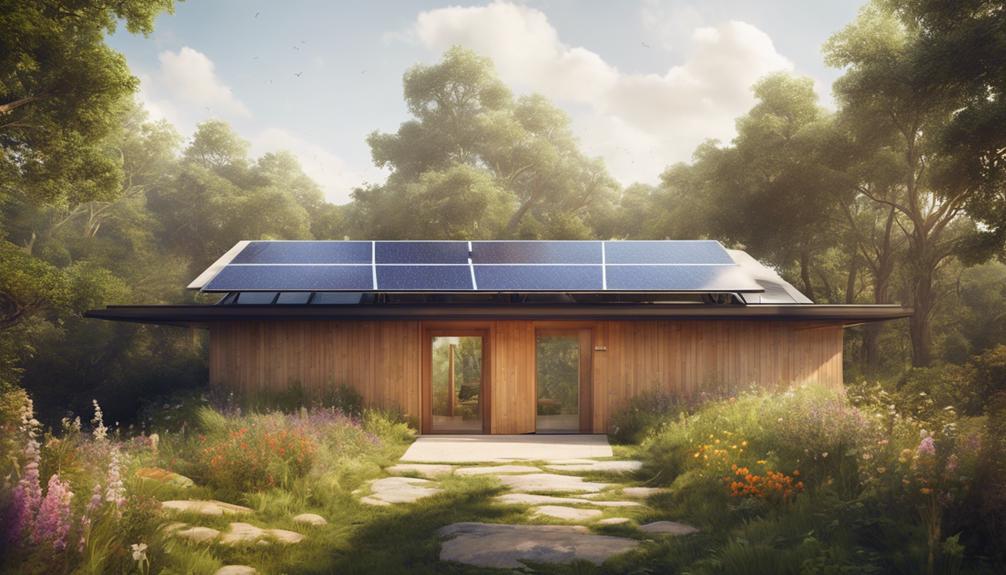
You're joining a growing movement as eco-friendly church properties become increasingly popular. By making environmentally conscious choices, you can reduce operating costs, attract like-minded members, and demonstrate your commitment to environmental stewardship. You'll want to explore sustainable building materials, renewable energy options, and waste reduction strategies to make your church a greener space. As you continue on this path, you'll discover even more innovative ways to make a positive impact on the environment and your community.
Greening the House of God
As you step into your place of worship, consider the environmental impact of the sacred space, and ask yourself: can the House of God also be a beacon of sustainability? You might be surprised to find that your church's energy consumption, water usage, and waste management can have a notable impact on the environment. But it doesn't have to be that way. You can take small steps to make a big difference.
Start by evaluating your church's energy usage. Are the lights and heating systems energy-efficient? Could you switch to LED bulbs or install solar panels? Every little bit counts, and making these changes can significantly reduce your carbon footprint. Next, take a closer look at your water usage. Are the toilets and faucets low-flow? Are there opportunities to harvest rainwater for non-potable uses like flushing toilets or irrigating landscaping? Finally, consider your waste management. Are there recycling programs in place for paper, plastic, and glass? Are there opportunities to compost food waste or reduce paper usage through digital communications?
Environmentally Friendly Building Materials
You can make a significant impact on the environment by selecting building materials that are sustainable, recycled, or sustainably sourced for your church's construction or renovation projects. This choice not only benefits the planet but also sets a positive example for your congregation and the wider community.
One eco-friendly option is reclaimed wood, which reduces waste and preserves natural resources. You can also opt for low-VOC (volatile organic compound) paints, which improve indoor air quality and promote a healthier environment for worshippers. Additionally, consider using materials with high recycled content, such as recycled glass countertops or recycled plastic lumber.
When sourcing materials, look for certifications like FSC (Forest Stewardship Council) or SFI (Sustainable Forestry Initiative), which guarantee that wood products come from responsibly managed forests. You can also explore local and regional materials to reduce transportation emissions.
Renewable Energy in Worship
Harnessing renewable energy for your church's power needs not only reduces your carbon footprint but also sets a powerful example for your congregation. By switching to renewable energy sources, you're not only doing your part for the environment, but you're also demonstrating your commitment to being good stewards of God's creation.
There are several ways you can incorporate renewable energy into your church's operations. Here are a few examples:
- Solar Power: Installing solar panels on your church's roof can provide a significant portion of your power needs. Plus, many governments offer incentives for investing in solar energy.
- Wind Power: If your church is located in a windy area, you might consider installing a wind turbine to generate electricity.
- Geothermal Energy: If you're building a new church or renovating an existing one, consider incorporating geothermal energy into your design. This can be a highly efficient way to heat and cool your building.
- Biofuels: If you have a large parking lot or grounds, you might consider installing a biofuel generator to provide power.
- Green Tariffs: If you can't generate your own renewable energy on-site, you can still support renewable energy projects by purchasing green tariffs from your utility company.
Water Conservation Efforts
As you consider ways to make your church property more eco-friendly, you're likely thinking about ways to reduce your water usage. You're not alone – many churches are taking steps to conserve this precious resource. By implementing rainwater harvesting systems and efficient irrigation methods, you can notably reduce your water consumption and make a positive impact on the environment.
Rainwater Harvesting Systems
What role can rainwater harvesting systems play in reducing your church's water consumption and environmental footprint? As a leader in your community, you're likely always looking for ways to serve others while being a good steward of the earth. Rainwater harvesting systems can be a valuable asset in this effort. By collecting and storing rainwater, you can greatly reduce your church's water consumption and reliance on municipal water supplies.
Here are just a few ways rainwater harvesting systems can benefit your church:
- Reduce stormwater runoff and alleviate pressure on local drainage systems
- Provide a free and sustainable source of water for irrigation, toilet flushing, and other non-potable uses
- Lower your church's water bills and operating costs
- Set an example for your community by promoting environmental responsibility and sustainability
- Enhance your church's reputation as a caring and forward-thinking organization
Efficient Irrigation Methods
By evaluating your current irrigation system, you can greatly reduce your church's water consumption and lower its environmental impact. As a faith community, it's essential to be mindful of your water usage, especially when it comes to maintaining your church's grounds.
You can start by appraising your current irrigation system to identify areas of improvement. Consider installing smart irrigation controllers that adjust water output based on weather conditions, soil moisture, and plant water requirements. This technology can markedly reduce water waste and optimize water distribution.
Additionally, consider using drip irrigation systems, which deliver water directly to the roots of plants, reducing evaporation and runoff. You can also implement a mulching program to retain soil moisture, reduce weed growth, and minimize the need for frequent watering. By adopting these efficient irrigation methods, you'll not only conserve water but also create a more sustainable and environmentally responsible church property that honors God's creation.
Sustainable Landscaping Practices
Transform your church's outdoor spaces into eco-friendly oases by adopting sustainable landscaping practices that not only reduce your environmental footprint but also create a peaceful haven for your congregation. By incorporating eco-friendly landscaping methods, you'll not only be serving the environment but also providing a serene atmosphere for your community to connect with nature and each other.
To get started, consider the following sustainable landscaping practices:
- Use native plants, which require less watering and maintenance, reducing your church's water and chemical usage.
- Implement rain gardens or bioswales to manage stormwater runoff and reduce erosion.
- Incorporate permeable pavers or gravel walkways to reduce stormwater runoff and create a natural, rustic look.
- Use compost or mulch to enrich the soil and suppress weeds, reducing the need for fertilizers and pesticides.
- Incorporate solar-powered or energy-efficient outdoor lighting to illuminate walkways and highlight your church's beautiful landscaping.
Energy Efficiency Makeovers
As you consider an energy efficiency makeover for your church property, you'll want to explore renewable energy sources that reduce your reliance on fossil fuels. You might start by installing solar panels to harness the power of the sun, and then conduct an energy audit to identify areas where energy is being wasted. By taking these steps, you'll be well on your way to creating a more sustainable and eco-friendly church property.
Renewable Energy Sources
You can greatly decrease your church's carbon footprint by investing in renewable energy sources, such as solar panels or wind turbines, which can power up to 80% of your energy needs. This not only helps the environment, but it also sets a great example for your congregation and the community. By harnessing the power of nature, you'll reduce your reliance on fossil fuels and lower your energy bills.
Some benefits of renewable energy sources include:
- Reduced greenhouse gas emissions
- Lower energy costs
- Increased energy independence
- Improved air quality
- Enhanced reputation as an eco-friendly church
Solar Panel Installation
By installing solar panels, your church can harness the power of sunlight to generate electricity, greatly reducing its reliance on non-renewable energy sources. This not only benefits the environment but also helps your congregation save on energy costs. You'll be surprised at how much you can decrease your energy bills by switching to solar power. Plus, solar panels require minimal maintenance, making them a hassle-free option.
When considering solar panel installation, it's crucial to evaluate your church's energy needs and roof size. You'll want to make sure that your solar panel system is tailored to your specific energy requirements. A professional solar installer can help you determine the ideal system size and layout for your church.
Energy Audits Matter
Every kilowatt-hour counts, and an energy audit is essential to identify areas where your church can optimize its energy usage and reduce waste. By conducting an energy audit, you'll gain a clear understanding of your church's energy consumption and pinpoint opportunities for improvement. This thorough assessment will help you prioritize energy-efficient upgrades, guaranteeing you make the most of your resources.
Here are some key areas an energy audit can help you improve:
- Lighting: Identify opportunities to replace inefficient lighting with LED alternatives, reducing energy consumption and maintenance costs.
- HVAC Systems: Optimize your heating, ventilation, and air conditioning systems to minimize energy waste and improve indoor air quality.
- Insulation and Building Envelope: Ensure your church's building envelope is well-insulated, reducing heat loss and energy consumption.
- Appliances and Equipment: Identify energy-hungry appliances and equipment, and explore energy-efficient alternatives.
- Behavioral Changes: Develop strategies to promote energy-conscious behaviors among staff, volunteers, and congregation members.
Waste Reduction Strategies
Implementing efficient waste reduction strategies is essential in minimizing the environmental footprint of church properties, as they can greatly reduce the amount of waste sent to landfills. You can start by conducting a waste audit to identify areas where waste can be reduced, reused, or recycled. This will help you pinpoint opportunities to implement changes that make a notable impact.
One effective strategy is to reduce paper waste by switching to digital communications and documents. You can also encourage members to bring reusable bags and containers for events and activities. Implementing recycling programs for paper, plastic, glass, and cardboard can also notably reduce waste.
Another approach is to reduce waste generated by church events and gatherings. Consider using compostable or biodegradable plates, cups, and utensils instead of disposable ones. You can also set up recycling stations and encourage members to participate in waste reduction efforts.
Community Engagement Initiatives
When exploring community engagement initiatives for your eco-friendly church property, you'll want to explore ways to involve your congregation and local community in your sustainability efforts. You can start by greening your church grounds, creating a peaceful oasis that encourages community members to gather and connect. By implementing community outreach programs, you can also educate and inspire others to take action towards a more sustainable future.
Greening Church Grounds
By incorporating community engagement initiatives, you can transform your church grounds into vibrant green spaces that foster a sense of community and environmental stewardship. This not only benefits the environment but also provides opportunities for your congregation to come together and serve one another.
Here are some ways to engage your community in greening your church grounds:
- Host a community clean-up day where volunteers can help pick up trash and beautify the grounds
- Organize a community garden where members can work together to grow their own fruits and vegetables
- Create a "green team" that meets regularly to discuss and implement sustainable practices
- Host environmental workshops and educational seminars to educate the community on eco-friendly practices
- Develop a community composting program where food waste is turned into nutrient-rich soil for the garden
Community Outreach Programs
Through community outreach programs, you can extend your church's eco-friendly mission beyond its walls, engaging local residents, schools, and businesses in sustainable practices that benefit the entire community. By partnering with local organizations and community groups, you can create a ripple effect of positive change that spreads far beyond your church's property.
Some examples of community outreach programs you can implement include:
| Program | Description |
|---|---|
| Environmental Workshops | Offer educational workshops on sustainable practices, such as recycling, composting, and energy conservation. |
| Community Clean-Up Events | Organize community clean-up events, where volunteers can participate in cleaning local parks, waterways, and neighborhoods. |
| Sustainable Living Seminars | Host seminars on sustainable living, featuring expert speakers and panel discussions on eco-friendly topics. |
| School Outreach Programs | Develop educational programs for local schools, teaching students about environmental stewardship and sustainability. |
| Community Garden Initiatives | Establish community gardens, providing a space for residents to grow their own fruits and vegetables, promoting food security and community engagement. |
Eco-Friendly Building Certifications
You can significantly lessen your church's environmental footprint by pursuing eco-friendly building certifications, which recognize and reward sustainable design and construction practices. These certifications not only benefit the environment but also enhance your church's reputation as a responsible steward of God's creation.
Obtaining eco-friendly building certifications can be a great way to demonstrate your church's commitment to the environment and the community. Some popular certifications include:
- LEED (Leadership in Energy and Environmental Design): A widely recognized certification that evaluates buildings based on their environmental performance.
- WELL (Well Building Standard): Focuses on creating healthy and comfortable indoor environments that support occupant well-being.
- Green Globes: A thorough certification that assesses a building's environmental performance, including energy efficiency, water conservation, and indoor air quality.
- Energy Star: Recognizes buildings that meet energy efficiency standards set by the U.S. Environmental Protection Agency.
- Living Building Challenge: A rigorous certification that requires buildings to meet strict standards for net-positive energy, water, and waste performance.
The Business Case for Green
Going green can pay off in a big way, as many churches have discovered that eco-friendly upgrades and certifications can greatly reduce their operating expenses. By investing in energy-efficient lighting, solar panels, and insulation, you can greatly lower your energy bills. In fact, a study by the National Renewable Energy Laboratory found that churches that invest in energy-efficient upgrades can save up to 30% on their energy costs.
But the benefits don’t stop there. Eco-friendly certifications like the Leadership in Energy and Environmental Design (LEED) certification can also increase your church’s property value. In fact, a study by the Appraisal Institute found that LEED-certified buildings can increase property values by up to 10%. This can be a huge selling point for churches looking to attract new members or expand their facilities. Moreover, incorporating sustainability practices often goes hand in hand with enhancing accessibility features in church design, ensuring that all members of the community are welcomed and accommodated. By prioritizing both eco-friendliness and accessibility, churches can create spaces that are not only visually appealing but also functional for everyone, including those with disabilities. This thoughtful approach can further strengthen a congregation’s commitment to inclusivity and stewardship, making it an even more attractive option for potential members and visitors.
Additionally, going green can also help you attract like-minded members who share your values. A survey by the National Association of Church Business Administration found that 75% of churchgoers consider the environment when choosing a place of worship. By investing in eco-friendly upgrades and certifications, you can attract a community of people who share your commitment to serving others and the environment.
Frequently Asked Questions
How Do Faith-Based Organizations Measure the ROI of Eco-Friendly Initiatives?
When you invest in eco-friendly initiatives, you'll want to know if they're paying off. Measuring ROI can be challenging, but it's essential. You'll need to track energy savings, water conservation, and waste reduction. Calculate the cost savings from reduced utility bills and compare them to the initial investment. Don't overlook the intangible benefits, like enhanced community reputation and member engagement. By monitoring and evaluating these metrics, you'll be able to see the impact of your eco-friendly efforts and make informed decisions for the future.
Can Historic Churches Be Renovated to Meet Modern Eco-Friendly Standards?
You're wondering if historic churches can be renovated to meet modern eco-friendly standards. The answer is yes! With careful planning, you can preserve the historic integrity of the building while incorporating sustainable features. You'll need to assess the building's condition, identify areas for improvement, and prioritize energy-efficient upgrades. By doing so, you'll not only reduce your church's environmental footprint but also create a healthier, more comfortable space for your community to gather and worship.
Do Eco-Friendly Building Materials Compromise on Aesthetics or Functionality?
You might be surprised to know that 80% of people consider sustainability a key factor when choosing a place of worship. Now, let's address your question: do eco-friendly building materials compromise on aesthetics or functionality? Thankfully, the answer is no! Modern eco-friendly materials are designed to blend seamlessly with traditional architectural styles, ensuring your church's character remains intact. Plus, many eco-friendly options, like reclaimed wood and low-VOC paints, can even enhance the overall aesthetic and functionality of your sacred space.
How Do Energy-Efficient Upgrades Impact Worship Services or Events?
As you consider energy-efficient upgrades, you might wonder how they'll impact your worship services or events. The good news is that these upgrades can actually enhance the overall experience. For instance, natural lighting and improved acoustics can create a more intimate and engaging atmosphere. Plus, a comfortable temperature and air quality can help your congregation focus on the message, not distractions. By prioritizing energy efficiency, you're creating a space that supports your community's spiritual growth.
Are There Government Incentives for Eco-Friendly Church Properties?
You're planting seeds for a greener future, and now you're wondering if the government will help water them. The answer is yes! You can tap into government incentives for eco-friendly upgrades, like energy-efficient lighting and solar panels. For example, the Federal Government's Energy Policy Act of 2005 offers tax deductions for energy-efficient improvements. You'll be nurturing a more sustainable tomorrow, and the government will be there to support you every step of the way.