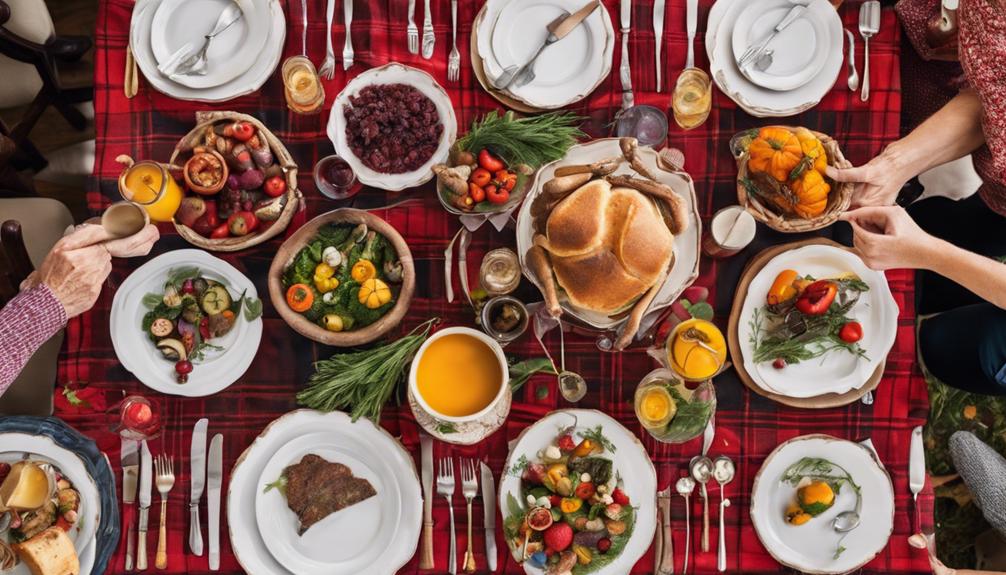
You're about to host a community meal that fosters people together over a shared love of food and good company. To guarantee its success, consider your guests' diverse tastes and dietary needs, and plan a menu that caters to various requirements. Create a warm and inviting atmosphere with candles, flowers, and comfortable seating. Craft warm invitations that reflect hospitality, and show appreciation for your volunteers' hard work. Establish a realistic budget, and allocate resources intentionally. With careful planning, you'll be well on your way to cultivating connection and community spirit. As you dive deeper, you'll discover even more ways to make your community meal a hit.
Planning the Perfect Menu
To guarantee your community meal is a culinary success, start by planning a menu that's both delicious and inclusive of your guests' diverse tastes and dietary needs. You'll want to take into account the various ages, cultural backgrounds, and dietary restrictions of your attendees. Think about any food allergies, vegetarian or vegan preferences, and religious restrictions. This might seem overwhelming, but with a little planning, you can create a menu that caters to everyone's needs.
Start by sending out a survey or questionnaire to your guests, inquiring about their food preferences and dietary restrictions. This will give you a better idea of what to serve. You can also think about serving a buffet-style meal, which allows guests to choose what they like and avoid what they don't.
When planning your menu, don't be afraid to get creative! Explore serving dishes that are culturally significant to your community or feature locally sourced ingredients. You might also contemplate serving a variety of small plates or appetizers, which can be easier to customize to individual tastes. Whatever you choose, make sure it's something that brings people together and fosters a sense of community. With a little planning and thoughtfulness, you'll be well on your way to hosting a community meal that's both delicious and inclusive.
Setting the Scene
As you've finalized your menu, it's time to shift your attention to transforming the physical space into a warm and inviting atmosphere that encourages connection and community building. This is where the magic happens, and your guests start to feel like they're part of something special.
Start by considering the overall aesthetic you want to create. Think about the colors, textures, and lighting that will make your space feel cozy and inviting. You might add some warm-toned tablecloths, soft candles, or fresh flowers to create a welcoming ambiance. Don't forget about the power of music – a gentle playlist can really help set the tone for a relaxed and convivial atmosphere.
Next, think about the layout of your space. You want to create a sense of flow and intimacy, so consider setting up smaller, more intimate tables or groupings to encourage conversation and connection. Make sure there's plenty of elbow room, but not so much that guests feel disconnected from one another.
Invitations and RSVPs
With your atmosphere set, it's time to send out invitations that reflect the warmth and hospitality you've curated, and start collecting RSVPs to get a headcount for your meal. You want to create an invitation that not only conveys the details of the event but also sets the tone for a warm and welcoming gathering.
When crafting your invitation, consider the tone and language you use. You might include a personal message expressing your excitement to share a meal with your guests or a brief story about the significance of community meals in your life. This will help your guests feel valued and appreciated.
| Invitation Element | Tips | Examples |
|---|---|---|
| Date and Time | Be specific and clear | 'Join us on Saturday, March 12th at 5:00 PM' |
| Location | Provide a clear address and directions | '123 Main St, 2nd Floor (use elevator)' |
| RSVP Info | Include a clear call-to-action | 'RSVP by March 5th to [your email/phone]' |
Remember to include essential details, such as the date, time, location, and RSVP information. By doing so, you'll secure a smooth and enjoyable experience for your guests. As you send out your invitations, imagine the joy and connection that will fill your community meal, and the memories you'll create together.
Assigning Tasks and Roles
When assigning tasks and roles for your community meal, you'll want to identify the strengths and weaknesses of your volunteers to make certain everyone knows their responsibilities. By doing so, you'll create a well-oiled machine where each person knows their part in making the event a success. By delegating tasks effectively and defining roles clearly, you'll avoid confusion and guarantee a smooth execution of the event.
Task Delegation Strategies
You'll need to divvy up tasks and roles strategically to guarantee a seamless community meal, so start by identifying the strengths and weaknesses of your volunteers. This will help you allocate tasks that play to their strengths, ensuring everyone feels confident and capable in their role.
When delegating tasks, keep the following strategies in mind:
- Match tasks to skills: Make sure the person responsible for a task has the necessary skills to complete it successfully.
- Consider workload: Distribute tasks fairly to avoid overwhelming any one person.
- Communicate clearly: Make sure each volunteer understands their role and what's expected of them.
- Provide resources: Ensure volunteers have the necessary tools and equipment to complete their tasks.
- Show appreciation: Express gratitude to your volunteers for their hard work and dedication.
Clear Role Definitions
Assign clear roles and tasks to your volunteers by defining specific responsibilities, guaranteeing everyone knows what they're accountable for and can work together efficiently. This is essential when hosting community meals, as it prevents confusion and overlapping work. You can start by identifying the tasks that need to be done, such as food preparation, setup, serving, and cleanup. Then, match each task with a volunteer who's best suited for the job. Make sure to communicate each person's role clearly, so they know exactly what's expected of them.
You can create a simple chart or spreadsheet to outline each role and task, including the volunteer's name and contact information. This will help you keep track of who's doing what and ensure that all tasks are covered. By assigning clear roles and tasks, you'll be able to manage your volunteers effectively, and your community meal will run smoothly. Remember to show appreciation for your volunteers' hard work and acknowledge their contributions to the event's success.
Budgeting for the Event
By establishing a realistic budget, you'll set yourself up for success and avoid financial stress as you plan your community meal event. It's essential to determine how much you can afford to spend on food, supplies, and other expenses. A well-planned budget will help you make intentional decisions about how to allocate your resources.
When creating your budget, consider the following key areas of expense:
- Food and Beverages: Estimate the cost of ingredients, considering the number of guests and the type of meal you're serving.
- Supplies and Equipment: Think about plates, utensils, napkins, and any equipment you may need to rent or purchase.
- Venue and Decor: If you're renting a space, consider the cost of tables, chairs, and decorations.
- Promotion and Marketing: Calculate the cost of promoting your event, including flyers, social media ads, and other outreach efforts.
- Miscellaneous: Don't forget to budget for unexpected expenses, like last-minute ingredient runs or supply shortages.
Remember to pad your budget by 10-20% to account for unexpected expenses. By being intentional with your budget, you'll be able to focus on what matters most – serving your community.
Preparing for Dietary Needs
When planning your community meal, it's important to take into account the diverse dietary needs of your guests, including food allergies, intolerances, and preferences. You'll want to make sure that everyone feels included and cared for, regardless of their dietary restrictions. Start by asking guests about their dietary needs when they RSVP. This will give you a better understanding of what accommodations you'll need to make.
Think about the most common dietary restrictions, such as gluten-free, vegetarian, and vegan options. You may also want to offer dairy-free and nut-free alternatives. Don't forget to label each dish clearly, so guests know what they can and can't eat. If you're unsure about a specific ingredient or cooking method, it's always better to err on the side of caution and avoid it.
Remember to have a plan in place for guests with severe food allergies. Make sure you have a first-aid kit on hand and know what to do in case of an emergency. By taking the time to think about the dietary needs of your guests, you'll create a welcoming and inclusive environment where everyone feels valued and cared for. With a little planning and attention to detail, you can ensure that every guest has a wonderful time at your community meal.
Creating a Welcoming Atmosphere
As you set the stage for your community meal, think about how you can create a warm and inviting atmosphere that makes everyone feel comfortable and at ease. You want your guests to feel valued and appreciated, and a little attention to detail can go a long way.
Start by considering the physical space. Think about the lighting, the temperature, and the overall aesthetic. You want to create an environment that’s both functional and welcoming. Incorporate elements that promote relaxation, such as soft furnishings and warm colors, which can significantly influence mood and productivity. Pay attention to the arrangement of furniture to encourage conversation and connection while also providing personal areas for solitude when needed. Ultimately, the goal is to create a sanctuary that resonates with the essence of designing peaceful retreats for owners, ensuring that each space nurtures a sense of calm and balance.
Here are a few ideas to get you started:
- Use tablecloths, flowers, or centerpieces to add a touch of warmth and elegance to the tables.
- Play calming music in the background to set the tone for a relaxing evening.
- Consider using candles or fairy lights to create a cozy ambiance.
- Use comfortable seating and plenty of pillows to make your guests feel at home.
- Have a few board games or puzzles on hand to encourage mingling and socializing.
Timing and Scheduling
As you plan your community meals, you'll need to take into account the timing and scheduling to guarantee a successful event. You'll want to determine how often to host meals, making sure not to conflict with other local events that might draw your attendees away. By selecting the right frequency, avoiding scheduling conflicts, and choosing the best time of day, you'll set your community meals up for success.
Meal Frequency Options
You can choose from a variety of meal frequency options to suit your community's needs, ranging from daily meals to occasional gatherings. This flexibility allows you to tailor your community meal program to the unique needs and schedules of your guests.
When deciding on a meal frequency, consider the following options:
- Daily meals: Ideal for communities with high foot traffic or those experiencing food insecurity.
- Weekly meals: Suitable for communities that want to provide regular support without overwhelming volunteers.
- Bi-weekly meals: A good compromise between weekly and monthly meals, offering consistent support without exhausting resources.
- Monthly meals: Perfect for communities with limited resources or those that want to host special events.
- Occasional gatherings: Great for communities that want to host holiday meals, potlucks, or other special events.
Scheduling Conflicting Events
When planning your community meal program, coordinating events without conflicts requires strategic timing and scheduling to make sure that your events don't overlap or cannibalize each other. You'll want to create a master calendar that highlights all the events, meetings, and activities happening in your community. This will help you identify potential conflicts and make adjustments accordingly.
As you schedule your community meals, consider the frequency and timing of other events in your community, such as worship services, youth group meetings, and volunteer opportunities. You wouldn't want to schedule a community meal on the same night as a popular volunteer event, for instance. By being mindful of these potential conflicts, you can guarantee that your community meal program complements existing events rather than competing with them.
Remember to also leave some buffer time between events to allow for setup, cleanup, and handover. By taking a holistic approach to scheduling, you can create a harmonious and thriving community that supports each other's efforts.
Time of Day Choices
Scheduling your community meals at the right time of day can make all the difference in attendance and engagement, so it's worth considering the daily rhythms and habits of your community members. You want to choose a time that's convenient for the majority of your guests, taking into account factors like work schedules, school hours, and other commitments.
When deciding on a time, consider the following:
- Morning meals can be a great way to kick-start the day, especially for seniors or retirees who may have more flexible schedules.
- Lunchtime gatherings can be a convenient option for working professionals or students on a break.
- Early evening meals can be a great way to bring families together before bedtime routines.
- Weekend brunches can be a nice alternative to weeknight gatherings, especially for families with young children.
- Potlucks or picnics can be a fun way to gather during the warmer months, taking advantage of outdoor spaces and flexible schedules.
Delegating Tasks and Help
Assigning specific tasks to willing volunteers guarantees that the workload is distributed evenly and helps prevent burnout among core team members. When you delegate tasks, you not only lighten your load but also empower others to take ownership and contribute to the community meal's success.
To get started, identify the tasks that need to be done, such as setup, food preparation, serving, and cleanup. Then, consider the skills and strengths of your volunteers and match them with the tasks. For example:
| Task | Volunteer Strength |
|---|---|
| Food Preparation | Cooking skills, attention to detail |
| Setup and Decor | Creativity, physical strength |
| Serving and Hosting | Strong communication skills, warm hospitality |
| Cleanup | Attention to detail, ability to multitask |
Follow-up and Evaluation
Now that your community meal event has wrapped up, it's time to look back and evaluate its success. You'll want to assess what worked well and what didn't, so you can refine your approach for future events. By measuring the impact of your event, you'll be able to identify areas for improvement and build on your successes.
Assessing Event Success
You can gauge the success of your community meal event by tracking key metrics, such as attendance, feedback, and financial performance, to identify areas for improvement. By analyzing these metrics, you'll be able to refine your approach for future events.
Here are some key areas to evaluate:
- Survey feedback: Collect feedback from attendees to understand what worked well and what didn't. This will help you identify areas for improvement.
- Attendance numbers: Track the number of attendees to determine if your marketing efforts were effective.
- Financial performance: Compare your expenses to your revenue to make sure you're staying within budget.
- Volunteer engagement: Evaluate the effectiveness of your volunteer recruitment and management strategies.
- Community engagement: Assess the level of community involvement and engagement during the event.
Measuring Community Impact
To guarantee your community meal event has a lasting impact, it's essential to establish a plan for follow-up and evaluation, which involves tracking key indicators of community improvement. This will help you understand the effectiveness of your event and identify areas for improvement.
To measure community impact, consider tracking the following indicators:
| Indicator | Metric | Target |
|---|---|---|
| Community Engagement | Number of attendees | 50+ |
| Social Connection | Number of new relationships formed | 10+ |
| Resource Access | Number of resources distributed | 20+ |
| Skill Building | Number of skills learned | 15+ |
Frequently Asked Questions
Can I Charge Guests for the Community Meal?
As you weigh the pros and cons, remember that charging guests for a community meal can be like putting a price tag on a warm hug – it can dilute the sense of community and generosity. If you do decide to charge, consider a "pay-what-you-can" model or suggest a donation to a local charity. This way, you're respecting your guests' financial situations while still covering costs.
How Do I Handle Last-Minute Cancellations or No-Shows?
When last-minute cancellations or no-shows happen, don't stress! You're not alone. It's frustrating, but it's an opportunity to practice flexibility. Quickly adjust your headcount and prep accordingly. Consider having a waitlist or backup plan to fill empty seats. Remember, it's about serving others, not about perfection. Take a deep breath, adapt, and focus on making the experience special for those who do show up. You got this!
What if Some Guests Don't Bring a Dish to Share?
You've invited the whole community over for dinner, and now you're worried that some guests might not bring a dish to share. Remember the time you showed up to a potluck empty-handed, feeling embarrassed and apologetic? Don't let your guests feel that way! Have a backup plan, like extra sides or a few extra dishes up your sleeve. Communicate with your guests beforehand, and gently remind them to bring a dish. With a little planning, you'll guarantee everyone leaves with full hearts and full bellies.
Should I Plan Activities or Just Let Guests Mingle?
When hosting a gathering, you're wondering if you should plan activities or just let guests mingle. You want to make sure everyone has a great time. If you're worried about awkward silences, a few planned activities can help break the ice. However, leaving some free time for mingling allows guests to connect naturally. A mix of both approaches can create a warm and welcoming atmosphere.
Can I Host a Community Meal in a Small Home?
You're thinking you need a grand ballroom to host a community meal? Think again! You can squeeze in a small army of hungry guests in your cozy home, and still manage to serve up a feast. With a little creativity, you can maximize your space, using every nook and cranny to feed the masses. So, don't let your humble abode hold you back – get ready to open your doors (and your heart) to your community!