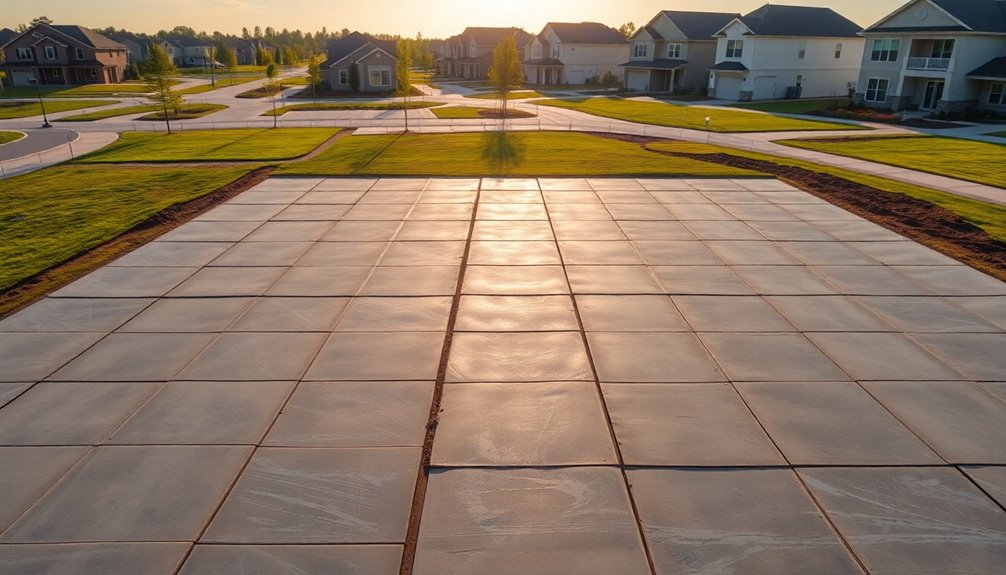
As a real estate professional, you have the power to transform properties into thriving community hubs that prioritize the well-being of both people and the planet. By adopting a stewardship mindset, you'll prioritize long-term value creation over short-term gains, recognizing properties as community cornerstones and yourself as a custodian. You'll engage with local stakeholders, incorporate eco-friendly practices, and foster meaningful community engagement. By doing so, you'll create spaces where people can live, work, and thrive. Take the first step towards creating a positive impact – and discover how your properties can become a force for good.
The Stewardship Mindset in Action
When you adopt a stewardship mindset in real estate, you prioritize long-term value creation over short-term gains, recognizing that the properties you manage are not just assets, but also community cornerstones. This mindset shift has a profound impact on your approach to property management. You begin to see yourself as a custodian, responsible for ensuring that the properties under your care benefit not just your investors, but also the surrounding community.
You take a holistic approach, considering how your decisions will affect the local economy, residents, and businesses. You prioritize tenant relationships, fostering a sense of community and providing support to local entrepreneurs. You invest in amenities and services that enhance the quality of life for those living and working in the area. You also engage with local stakeholders, listening to their concerns and ideas, and collaborating to create positive change.
Environmental Impact of Property Management
As a steward of real estate, you recognize that your property management decisions have a ripple effect on the environment, from the energy efficiency of your buildings to the waste management practices of your tenants. Your choices can either contribute to the degradation of our planet or help preserve it for future generations.
| Practices | Environmental Impact | Sustainable Alternative |
|---|---|---|
| Using energy-intensive lighting | Increased carbon footprint | Installing LED lighting |
| Failing to recycle waste | Contributing to landfills and pollution | Implementing recycling programs |
| Not monitoring water usage | Wasting this precious resource | Installing low-flow fixtures and monitoring usage |
| Ignoring indoor air quality | Negatively impacting occupant health | Implementing green cleaning practices and ventilation systems |
Building Sustainable Communities Together
As you work to build sustainable communities, you're not just constructing buildings – you're creating spaces where people live, work, and thrive. By incorporating eco-friendly property practices into your development strategy, you'll reduce your environmental footprint and create healthier environments for residents. By prioritizing green space development, you'll also provide community members with access to natural areas that promote well-being and a sense of community.
Eco-Friendly Property Practices
By incorporating eco-friendly property practices into your real estate investments, you can greatly reduce your environmental footprint and create a more sustainable future for generations to come. You'll not only contribute to a healthier planet but also enhance the well-being of your tenants and the surrounding community. Start by implementing energy-efficient systems, such as LED lighting and solar panels, to reduce energy consumption. You can also incorporate sustainable materials in your building designs and renovations, like reclaimed wood and low-VOC paints. Additionally, consider implementing recycling programs and composting systems to minimize waste. By adopting these eco-friendly practices, you'll not only reduce your environmental impact but also attract tenants who share your values and are willing to pay a premium for sustainable living spaces. As a responsible real estate investor, you have the power to create positive change and set a new standard for environmentally conscious property management.
Green Space Development
Every green space development project you undertake is an opportunity to create thriving ecosystems that not only enhance the aesthetic appeal of your properties but also contribute to a healthier environment and improved quality of life for your tenants.
By incorporating green spaces into your properties, you're not only doing your part for the environment, but also creating a sense of community and well-being for those who live and work there. Here are just a few ways you can make a positive impact:
- Air quality improvement: Green spaces are natural air purifiers, removing pollutants and toxins from the air, and producing oxygen.
- Mental health benefits: Studies have shown that spending time in nature can reduce stress levels, improve mood, and even alleviate symptoms of anxiety and depression.
- Community building: Green spaces provide a shared outdoor area where tenants can connect, socialize, and build relationships, fostering a sense of community and belonging.
The Social Responsibility Factor
As you explore the social responsibility factor in real estate, you'll find that community engagement matters. You're not just building properties, you're shaping neighborhoods and lives. By empowering neighborhood revitalization, you're creating a ripple effect that benefits everyone involved.
Community Engagement Matters
In today's socially conscious era, you're not just building properties, you're building relationships with the community that will inhabit them. As a responsible real estate developer, you recognize that your projects have a direct impact on the community. That's why community engagement matters. It's essential to involve local residents, businesses, and organizations in the planning and development process to guarantee that your projects align with their needs and aspirations.
Here are three ways to foster meaningful community engagement:
- Host open houses and community meetings to gather feedback and concerns from local stakeholders.
- Partner with local organizations to provide resources and support for community programs and initiatives.
- Establish a community advisory board to ensure ongoing communication and collaboration throughout the development process.
Empowering Neighborhood Revitalization
By incorporating social responsibility into your development strategy, you can empower neighborhood revitalization, transforming neglected areas into thriving communities that benefit both residents and investors alike. As a responsible real estate developer, you have the power to create positive change in the communities you serve.
| Benefits to Residents | Benefits to Investors |
|---|---|
| Improved quality of life | Increased property values |
| Enhanced community engagement | Higher rental yields |
| Access to amenities and services | Stronger, more stable investments |
Community Engagement Strategies
Engaging with local residents and businesses through regular town hall meetings and volunteer opportunities helps build trust and fosters a sense of community, which is essential for successful real estate development. When you prioritize community engagement, you create a foundation for long-term success. By doing so, you're not only building relationships but also gathering valuable feedback that can inform your development strategies.
As you develop your community engagement strategy, consider the following:
- Host community events: Organize events that bring people together, such as charity runs, farmers' markets, or street festivals. This helps create a sense of belonging and encourages social interaction.
- Establish a community advisory board: Gather a diverse group of local stakeholders to provide feedback and guidance on your development projects. This ensures that your projects align with the community's needs and values.
- Develop a community outreach program: Create a program that allows you to connect with local residents, listen to their concerns, and provide support where needed. This helps build trust and demonstrates your commitment to the community.
Managing Properties With a Purpose
Manage your properties with a sense of purpose by incorporating sustainable practices, reducing waste, and implementing environmentally friendly initiatives that benefit both your business and the community. By taking a proactive approach to property management, you'll not only reduce your environmental footprint but also enhance your reputation and attract like-minded tenants.
You can start by conducting an energy audit to identify areas for improvement, such as installing energy-efficient lighting and HVAC systems. Implement recycling programs and composting initiatives to minimize waste. Consider partnering with local organizations to develop community gardens or green spaces on your properties. These efforts will not only benefit the environment but also foster a sense of community among your tenants.
When it comes to maintenance and repairs, opt for eco-friendly products and materials whenever possible. This might include using low-VOC paints, sustainable flooring options, and energy-efficient appliances. By making these conscious choices, you'll create a healthier and more sustainable living environment for your tenants.
Creating Positive Social Change
One key aspect of creating positive social change in your real estate business is to develop a diverse and inclusive community by actively seeking out tenants from diverse backgrounds and socioeconomic statuses. By doing so, you'll create an environment that fosters understanding, empathy, and mutual respect among your tenants. This, in turn, can have a profound impact on the community at large.
As a responsible real estate professional, you have the power to make a real difference in people's lives. Here are three ways you can create positive social change in your community:
- Provide affordable housing options: By offering affordable rent and flexible lease terms, you can make quality housing accessible to those who need it most.
- Host community events: Organize community events, workshops, or seminars that bring people together, promote social cohesion, and address pressing social issues.
- Partner with local organizations: Collaborate with local non-profits, charities, or community groups to support initiatives that benefit the community, such as food drives, mentorship programs, or environmental clean-ups.
The Economic Benefits of Stewardship
By incorporating stewardship into your real estate business, you'll not only create a positive social impact but also reap significant economic benefits that can boost your bottom line. As a stewardship-minded real estate professional, you'll be able to attract and retain tenants who share your values, leading to longer lease terms and reduced turnover costs. Additionally, your commitment to sustainability and social responsibility can lead to increased property values and a competitive edge in the market.
Here are some key economic benefits of stewardship in real estate:
| Benefit | Description |
|---|---|
| Increased Property Values | Properties with sustainable features and strong social responsibility attract higher rents and sales prices |
| Reduced Operating Costs | Energy-efficient features and sustainable practices reduce energy consumption and waste, leading to lower operating costs |
| Enhanced Reputation | A strong commitment to stewardship enhances your professional reputation and attracts like-minded clients and partners |
A New Era of Property Management
Your commitment to stewardship is revolutionizing the way you oversee your properties, incorporating sustainable practices and socially responsible initiatives that benefit both your tenants and the environment. This new era of property management is all about creating a positive impact on the community and the planet.
As a stewardship-minded property manager, you're not just focusing on maximizing profits; you're dedicated to making a difference. You're committed to creating a better living experience for your tenants, while also reducing your carbon footprint.
Here are just a few ways you're making a positive impact:
- Energy-efficient upgrades: You're investing in energy-efficient lighting, HVAC systems, and appliances to reduce energy consumption and lower utility bills for your tenants.
- Sustainable landscaping: You're incorporating drought-resistant plants, rainwater harvesting systems, and organic gardening practices to minimize your properties' environmental footprint.
- Community engagement: You're hosting community events, workshops, and volunteer opportunities to foster a sense of community and social responsibility among your tenants.
Frequently Asked Questions
What Is the Return on Investment for Sustainable Property Management Practices?
Imagine yourself standing in a lush, eco-friendly courtyard, surrounded by thriving plants and a bustling community. You’re wondering, what’s the return on investment for sustainable property management practices? The good news is that going green can boost your bottom line. You’ll see increased property values, reduced operational costs, and even attract tenants willing to pay a premium for eco-friendly spaces. By investing in sustainable practices, you’ll reap financial rewards while doing good for the planet and its people. Furthermore, implementing green building practices for sustainability not only enhances the aesthetic appeal of your property but also significantly reduces energy consumption and waste generation. As more individuals and businesses prioritize environmentally responsible living, properties that embrace these practices are likely to experience lower vacancy rates and higher tenant satisfaction. Ultimately, your commitment to sustainability can lead to long-term financial gains, creating a win-win situation for both your investments and the environment.
Can Individual Property Owners Make a Significant Environmental Impact?
You might think that individual property owners can't make a significant environmental impact, but that's not true. By making conscious choices, you can create a ripple effect. Start by incorporating sustainable practices, like energy-efficient lighting and reducing water waste, into your daily routine. These small changes can add up, and as an individual property owner, you have the power to inspire others to follow your lead, creating a collective impact that benefits the environment and the community.
How Do Property Managers Balance Profitability With Social Responsibility?
You're walking a tightrope, balancing profitability with social responsibility as a property manager. It's a delicate dance, where every step counts. You must weigh the bottom line against the greater good. By incorporating eco-friendly practices, you can reduce your carbon footprint and appeal to socially conscious tenants. It's a win-win: you'll attract responsible renters while keeping your business thriving.
What Role Do Tenants Play in Promoting Sustainable Property Management?
You, as a tenant, play an essential role in promoting sustainable property management. By being mindful of your daily habits, you can make a significant impact. Take shorter showers, turn off lights, and recycle to reduce waste. Report any maintenance issues promptly, allowing your property manager to address them efficiently. Your actions will encourage your property manager to prioritize sustainability, creating a ripple effect that benefits the environment and the community.
Are There Any Government Incentives for Eco-Friendly Property Development?
You're probably wondering if there are any government incentives for eco-friendly property development. The good news is that yes, there are! Governments worldwide offer various incentives to encourage sustainable development. For instance, in the US, you can take advantage of tax credits, grants, and low-interest loans for energy-efficient projects. Additionally, many countries offer deductions on property taxes or exemptions from certain regulations for eco-friendly developments.