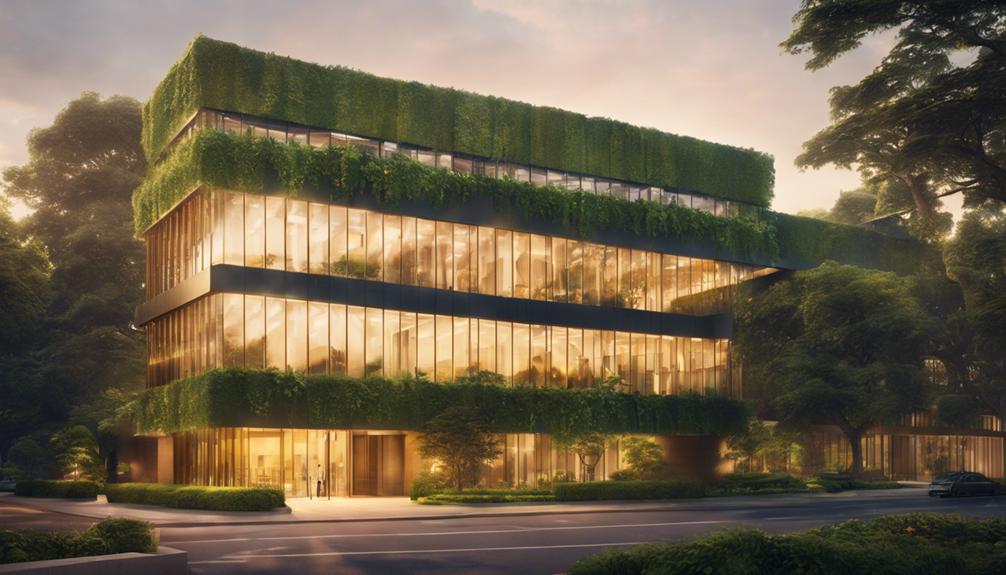
As you explore Christian-inspired real estate projects, you’ll discover how faith-guided development can transform communities. By prioritizing community spaces, sustainability, and affordability, these projects foster a sense of belonging and social cohesion. You’ll see how collaborative efforts, community engagement, and innovative mixed-use developments can revitalize entire neighborhoods. From affordable housing initiatives to fostering social trust, these projects create positive, lasting impacts. As you dive deeper, you’ll uncover the full potential of Christian-inspired real estate projects to bring about transformative change, and how they can inspire a new way of thinking about community development. In addition to their focus on affordability and sustainability, these initiatives often prioritize building community through church projects that engage local residents in meaningful ways. By connecting faith-based organizations with housing developments and communal spaces, these projects foster a supportive network that encourages collaboration and shared values among diverse groups. Ultimately, the vision of Christian-inspired real estate goes beyond mere construction; it aims to cultivate environments where relationships thrive and communities flourish.
Faith-Based Development Strategies
What role can faith play in shaping the development strategies of Christian-inspired real estate projects, and how can it influence the decision-making process of developers, architects, and investors? As you begin on a Christian-inspired real estate project, you'll likely find that your faith plays a significant role in guiding your decisions. Your values and principles will influence the type of project you create, the community you serve, and the impact you aim to make.
You'll consider how your project can reflect God's love and care for people, and how it can bring people together. You might prioritize creating community spaces that foster connection and fellowship, or design buildings that promote a sense of belonging. Your faith may also lead you to prioritize sustainability, accessibility, and affordability, ensuring that your project benefits the broader community.
As you work with architects, investors, and other stakeholders, your faith will shape the way you communicate, collaborate, and make decisions. You'll endeavor to create an environment of trust, respect, and open communication, where everyone feels valued and heard. By integrating your faith into every aspect of your project, you'll create a development that not only serves the community but also honors God. By doing so, you'll be part of a movement that transforms communities and brings people closer to their purpose.
Affordable Housing Initiatives
Through Christian-inspired real estate projects, you can initiate affordable housing initiatives that not only provide a roof over people's heads but also foster a sense of community and dignity. You can develop housing projects that cater to low-income families, seniors, and individuals with disabilities, offering them a safe and comfortable place to call home. By incorporating community spaces, support services, and social programs, you can assist residents in building connections and accessing resources that improve their overall well-being.
As you start on affordable housing initiatives, you'll have the opportunity to collaborate with local organizations, churches, and non-profits to enhance your impact. You can also collaborate with government agencies to secure funding and resources, ensuring that your projects are sustainable and effective. By involving the community in the development process, you can guarantee that your projects address the specific needs and concerns of the residents you're serving.
Revitalizing Neighborhoods Through Faith
As you explore the concept of revitalizing neighborhoods through faith, you'll discover how Christian-inspired real estate projects are transforming communities. You'll learn about faith-based community development initiatives that bring people together to rebuild and restore neighborhoods. By examining urban renewal strategies and neighborhood revitalization models, you'll uncover the power of faith in driving positive change.
Faith-Based Community Development
By harnessing the collective power of local churches and faith-based organizations, you can spark transformative change in underserved neighborhoods. You'll be amazed at how a collaborative effort can revitalize entire communities. By pooling resources, expertise, and passion, you can create a ripple effect of positive change.
You can start by identifying specific needs in the community, such as affordable housing, job training, or youth programs. Then, mobilize your faith community to take action. You might organize volunteer days, fundraisers, or advocacy campaigns to address these needs. As you work together, you'll build relationships, trust, and a sense of ownership among community members.
As you work together, you'll also create opportunities for spiritual growth and discipleship. By serving alongside one another, you'll deepen your faith and build stronger bonds within your community. Ultimately, faith-based community development is about more than just physical revitalization – it's about spiritual transformation, too. By working together, you can bring hope, healing, and renewal to the very heart of your community.
Urban Renewal Strategies
You'll find that faith-based urban renewal strategies often center on a few key principles, including the acquisition and redevelopment of underutilized or abandoned properties. These efforts not only revitalize physical spaces but also breathe new life into the surrounding community. By transforming vacant lots and dilapidated buildings, you can create vibrant hubs of activity that foster connection and community engagement.
As you start on urban renewal initiatives, it's essential to involve with local residents, businesses, and community organizations. This collaborative approach guarantees that redevelopment efforts align with the unique needs and aspirations of the neighborhood. By listening to the voices and concerns of community members, you can tailor your strategies to address specific social, economic, and environmental challenges.
Through faith-based urban renewal, you can help revitalize neighborhoods, promote social cohesion, and create thriving communities that reflect God's love and care. By embracing a holistic approach that addresses the spiritual, social, and physical needs of a community, you can bring about lasting transformation and make a meaningful difference in the lives of others.
Neighborhood Revitalization Models
As you explore faith-based neighborhood revitalization models, you'll notice they typically involve a multi-faceted approach, integrating physical renovation with social and spiritual renewal to restore dignity and hope to marginalized communities. This holistic approach acknowledges that true transformation requires more than just physical renovation; it demands a deep investment in the lives of community members.
As you consider implementing a neighborhood revitalization model, keep the following strategies in mind:
- Community Engagement: Foster relationships with local residents, businesses, and organizations to make sure that your efforts are tailored to the community's unique needs and aspirations.
- Partnerships and Collaborations: Forge partnerships with local churches, non-profits, and government agencies to leverage resources, expertise, and funding.
- Sustainable Development: Prioritize sustainable development practices that promote environmental stewardship, energy efficiency, and long-term viability.
Community Engagement and Outreach
As you develop your Christian-inspired real estate project, you'll need to focus on building trust with the neighborhood residents, which can be achieved through effective outreach strategies that showcase your commitment to the community. You'll want to identify ways to get locals involved, whether it's through volunteer opportunities or community events, to foster a sense of ownership and inclusivity. By doing so, you'll be able to create a positive, lasting impact on the community that aligns with your faith-based values.
Building Neighborhood Trust
Regularly, Christian-inspired real estate developers prioritize building neighborhood trust by engaging in community outreach efforts that foster open communication and collaboration. By doing so, you're not only building trust but also fostering a sense of community. As a developer, you understand that trust is the foundation of any successful project, and it's essential to establish open lines of communication with the community.
You can achieve this by:
- Hosting community meetings: Organize regular meetings to update the community on the project's progress, listen to their concerns, and address any questions or issues they may have.
- Conducting surveys and focus groups: Gather feedback from the community to understand their needs, concerns, and aspirations. This helps tailor your project to meet their needs and expectations.
- Partnering with local organizations: Collaborate with local organizations, churches, and community groups to demonstrate your commitment to the community and build trust.
Effective Outreach Strategies
By building neighborhood trust, you've established a solid foundation for effective outreach strategies that engage the community and foster meaningful connections. Now, it's time to develop a plan that resonates with your community's unique needs and interests. Start by identifying local leaders, organizations, and influencers who can help amplify your message. Collaborate with them to host community events, workshops, or town halls that address pressing concerns and provide valuable resources. Leverage social media platforms to share updates, behind-the-scenes glimpses, and testimonials that showcase your project's positive impact. Be approachable, transparent, and responsive to community feedback, and be willing to adapt your strategy as needed. Remember, effective outreach is a two-way conversation, not a one-way broadcast. By listening actively and empathetically, you'll build a loyal network of supporters who will help spread the word about your project's transformative power.
Volunteer Community Involvement
You can tap into the collective energy and enthusiasm of community members by recruiting volunteers who share your project's vision and values. This not only fosters a sense of community ownership but also helps to build trust and credibility. By engaging volunteers in your project, you can leverage their skills, expertise, and networks to amplify your impact.
Here are three ways to involve volunteers in your community outreach efforts:
- Community clean-up events: Organize community clean-up events where volunteers can participate in cleaning up local parks, streets, or other public areas. This helps to build relationships with community members and demonstrates your project's commitment to the well-being of the community.
- Neighborhood outreach teams: Establish neighborhood outreach teams consisting of volunteers who can engage with local residents, listen to their concerns, and provide support. This helps to build trust and fosters a sense of community.
- Skilled volunteer opportunities: Identify skilled volunteers who can provide professional services such as graphic design, photography, or social media management. This not only saves resources but also provides an opportunity for volunteers to use their skills for the greater good.
Innovative Mixed-Use Developments
Christian-inspired real estate developers are now creating innovative mixed-use developments that seamlessly integrate residential, commercial, and recreational spaces, fostering a sense of community and social connection among residents. As you explore these developments, you'll notice a thoughtful blend of apartments, offices, shops, restaurants, and community facilities, all designed to promote interaction and a sense of belonging.
By incorporating amenities like community gardens, parks, and fitness centers, these developments cater to the diverse needs of residents, providing a holistic living experience. You'll find that these spaces are designed to be adaptable, with flexible layouts and multi-purpose areas that can accommodate various community events and activities.
As you walk through these developments, you'll notice the attention to detail in creating a sense of community. From public art installations to community kitchens, every aspect is designed to bring people together. You'll see residents of all ages and backgrounds coming together, sharing stories, and building relationships. It's a reflection of the power of intentional design and a commitment to serving others.
These innovative mixed-use developments are redefining the way we live, work, and interact with one another. By combining functionality with community-driven design, they're creating thriving ecosystems that foster connection, collaboration, and a deeper sense of purpose. As you explore these developments, you'll see firsthand how Christian-inspired real estate projects are transforming communities and inspiring a new way of living.
Fostering Social Cohesion and Trust
As you explore these thriving communities, it's clear that fostering social cohesion and trust is at the heart of their success. You can't help but notice the sense of belonging that permeates every aspect of community life. It's evident in the way neighbors gather for community events, in the way local businesses thrive, and in the way people from all walks of life come together to support one another.
Fostering social cohesion and trust requires intentional effort and dedication. Here are a few key strategies that have proven effective:
- Community Engagement Initiatives: Regular community events, volunteer opportunities, and community service projects bring people together and foster a sense of shared responsibility.
- Inclusive Spaces: Designing public spaces that are accessible, safe, and welcoming encourages social interaction and helps build relationships.
- Partnerships and Collaborations: Building partnerships between local organizations, businesses, and community groups helps to leverage resources, expertise, and networks, ultimately strengthening the community as a whole.
Measuring Success and Impact
By evaluating key performance indicators, such as community engagement metrics and social return on investment, these projects can accurately measure their success and impact. As you initiate a Christian-inspired real estate project, it's essential to track your progress and assess the effectiveness of your initiatives.
To get a thorough picture of your project's impact, consider the following metrics:
| Metric | Description |
|---|---|
| Community Engagement | Number of residents participating in community events, volunteer hours, and community-led initiatives |
| Social Return on Investment (SROI) | Monetary value of social benefits generated by the project, such as increased property values, reduced crime rates, and improved health outcomes |
| Resident Satisfaction | Surveys and feedback from residents on their overall satisfaction with the project, including amenities, services, and quality of life |
| Partnerships and Collaborations | Number of partnerships with local organizations, community groups, and stakeholders, fostering a sense of community and social cohesion |
Frequently Asked Questions
What Role Do Local Churches Play in These Community Development Projects?
As you explore community development projects, you're likely wondering what role local churches play. In reality, they're often the driving force behind these initiatives. You'll find they provide essential resources, volunteers, and a sense of community. By partnering with local organizations, churches can help identify needs and develop targeted solutions. Their involvement fosters a sense of ownership and accountability, ensuring projects remain anchored in the community's best interests.
How Do These Projects Address Gentrification and Displacement Concerns?
As you navigate the complex web of community development, you're probably wondering how these projects address gentrification and displacement concerns. It's a modern-day David and Goliath battle, where the mighty forces of gentrification threaten to displace vulnerable populations. However, by prioritizing community engagement, inclusive zoning, and affordable housing options, these projects can be a force for good, empowering marginalized voices and preserving the fabric of the community.
Can For-Profit Developers Partner With Faith-Based Organizations?
You're wondering if for-profit developers can partner with faith-based organizations. Absolutely, they can! In fact, these collaborations can be a win-win. Faith-based organizations bring a deep understanding of the community's needs, while for-profit developers provide the expertise and resources to bring projects to life. By working together, you can create impactful projects that benefit the community and guarantee a positive return on investment.
What Is the Typical Timeline for Project Completion and Occupancy?
As you commence on this journey, imagine a master builder crafting a majestic cathedral, each stone carefully placed to create a sacred space. Now, consider your question: what's the typical timeline for project completion and occupancy? Generally, it takes around 18-24 months from land acquisition to occupancy, depending on the project's complexity and local regulations. You'll be breaking ground soon, and before you know it, your community will be thriving, a beacon of hope and service to others.
Are These Projects Limited to Christian Communities or Open to All?
You're wondering if these projects are only for Christian communities or open to everyone. The good news is that these projects aren't exclusive to Christians. They're designed to serve people from all walks of life, regardless of their faith or background. You'll find that these projects aim to bring people together, fostering a sense of community and inclusivity. Everyone's welcome, and you'll find a warm, supportive environment that celebrates diversity.