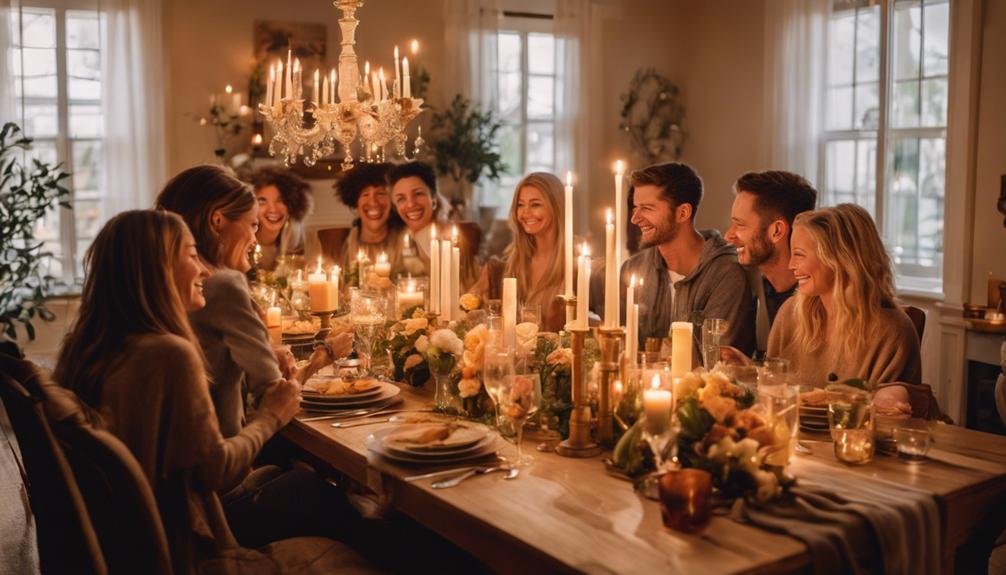
As you open your door to welcome others into your home, you're not just sharing a meal or a room, you're offering a sense of belonging, a chance to be seen, heard, and valued, and a refuge from the isolation and disconnection of everyday life. You're creating an atmosphere of warmth and welcome, where guests can shed their defenses and be authentic. You're nourishing their bodies with wholesome food and their souls with meaningful connections. As you continue on this journey of hospitality, you'll discover the profound impact it can have on your life and the lives of those you touch.
Cultivating a Sense of Belonging
As you open your home to others, you're not just offering them a physical space, but also a sense of belonging that can be incredibly important in building connections and fostering meaningful relationships. You're giving them a sense of being seen, heard, and valued. When you create an atmosphere of warmth and welcome, your guests feel like they're exactly where they're meant to be.
By doing so, you're not only making them feel comfortable, but also helping them shed their defenses and be their authentic selves. This is especially essential in today's world, where people often feel disconnected and isolated. Your home can become a sanctuary, a refuge from the chaos outside, where people can let their guard down and be themselves.
When you cultivate a sense of belonging, you're not just hosting a gathering; you're creating a community. You're helping people form bonds, forge new connections, and strengthen existing ones. You're giving them a sense of purpose and identity, reminding them that they're part of something bigger than themselves. By doing so, you're not only enriching their lives but also your own, as you experience the joy and fulfillment that comes from serving others.
Nourishing Body and Soul
As you open your home and heart to others, you'll want to focus on nourishing both their bodies and souls. You can start by offering wholesome food options that satisfy their physical hunger, then create comforting meal times that foster connection and community. By doing so, you'll set the stage for a nourishing spiritual space where your guests can feel seen, heard, and valued.
Wholesome Food Options
Preparing wholesome meals for your guests not only nourishes their bodies but also shows you care about their well-being, creating a sense of comfort and warmth in your home. It's an opportunity to serve others and make them feel loved and appreciated.
When it comes to planning meals, consider options that are both delicious and nutritious. Here are some ideas to get you started:
- Fresh fruit salads with yogurt or granola
- Homemade bread with avocado toast or hummus
- Grilled chicken or fish with roasted vegetables
- Quinoa or brown rice bowls with roasted vegetables and lean proteins
Comforting Meal Times
You'll create a warm and inviting atmosphere when you gather around the table to share comforting meals that nourish both body and soul. It's in these moments that you'll forge meaningful connections with your guests, fostering a sense of community and belonging. As you serve warm, comforting dishes, you'll be providing more than just sustenance – you'll be offering comfort, care, and a sense of security. Your guests will feel seen and valued, and your home will become a haven of warmth and love.
When planning your meals, consider serving dishes that evoke feelings of nostalgia and warmth. Hearty stews, homemade bread, and warm soups can be incredibly comforting. Don't be afraid to get creative and try new recipes, but also don't feel like you need to reinvent the wheel. Simple, classic dishes can be just as comforting as elaborate ones. As you gather around the table, remember that it's not just about the food – it's about the love, care, and attention you're showing your guests. By doing so, you'll create a sense of warmth and belonging that will linger long after the meal is over.
Nourishing Spiritual Space
By intentionally creating a peaceful atmosphere, you create space for meaningful connections and spiritual nourishment to flourish. When you open your home, you're not just offering a physical space, but a sanctuary for souls to rest and rejuvenate. In this space, hearts can heal, relationships can deepen, and faith can grow.
To cultivate a spiritually nourishing environment, consider the following:
- Illuminate with soft lighting: Dimmed lights or candles can create a calming ambiance, perfect for introspection and meaningful conversations.
- Select soothing sounds: Play calming music or nature sounds to create a peaceful atmosphere, helping your guests relax and unwind.
- Incorporate natural elements: Bring the outdoors in by adding plants, flowers, or a vase with fresh branches to create a sense of serenity.
- Prepare a calming scent: Use essential oils or scented candles to create a calming aroma, promoting relaxation and reducing stress.
Creating Lasting Memories Together
As you gather around the dinner table, the aroma of freshly baked cookies wafts through the air, setting the stage for an unforgettable evening of laughter, storytelling, and memory-making. This is where the magic happens – where strangers become friends, and friends become family. You've created a space where everyone feels seen, heard, and loved.
As you share stories, listen actively, and show genuine interest in others, you're not just passing time; you're crafting a sense of belonging. Your guests will leave with full hearts, not just full plates. The memories you create together will linger long after the evening's over, becoming a source of comfort and strength in the days to come.
You're not just hosting a dinner party; you're weaving a tapestry of love, one thread at a time. You're giving your guests a glimpse into the beauty of community, where everyone has a seat at the table. As you open your home and heart, you're opening the doors to new friendships, deeper connections, and a sense of purpose. You're showing the world that everyone deserves to feel seen, heard, and loved. And that's a memory worth creating.
Building Bridges Through Meals
Food has a profound way of transcending cultural and linguistic barriers, allowing strangers to connect over a shared love of flavors and aromas. When you invite others to share a meal with you, you're not just offering them a plate of food – you're offering a sense of belonging and connection.
As you open your home and heart to others, you'll find that meals have a way of bridging gaps and building relationships. Whether it's a casual dinner party or a formal banquet, sharing a meal with others has the power to break down barriers and forge lasting bonds.
Here are just a few ways you can use meals to build bridges:
- Break bread with strangers: Invite someone new to join you for a meal, and watch as the conversation flows and connections are made.
- Celebrate cultural diversity: Share a traditional meal from your own cultural heritage, or ask a guest to share a dish from theirs – it's a great way to learn about each other's traditions and customs.
- Show love and care: Cook a meal for someone who's going through a tough time, or offer to bring a dish to a community potluck – it's a tangible way to show you care.
- Create lasting memories: Host a regular dinner party or game night, and watch as relationships grow and deepen over time.
As you use meals to build bridges with others, remember that it's not just about the food – it's about the love, care, and connection that goes into every dish. So go ahead, invite someone to share a meal with you, and watch as relationships blossom around the table.
The Power of Active Listening
As you welcome guests into your home, you'll find that active listening is just as important as the food you serve. You'll create a safe space for meaningful connections to form when you ask mindful conversation starters that encourage your guests to open up. By doing so, you'll discover that attentive silence speaks volumes, allowing your guests to feel truly heard and understood.
Mindful Conversation Starters
You'll be surprised how often a thoughtful question can spark a meaningful conversation, especially when you're hosting guests in your home. By asking open-ended questions, you create an opportunity for your guests to share their thoughts, feelings, and experiences. This not only helps to build connections but also fosters a sense of community and belonging.
Here are some mindful conversation starters to get you started:
- What's been the highlight of your week?
- What's something you're looking forward to in the coming months?
- How did you get into your current field or hobby?
- What's one thing you're grateful for today?
Attentive Silence Speaks
By creating space for thoughtful questions, you've set the stage for meaningful conversations, and now it's time to focus on the other half of the equation: actively listening to your guests' responses. Attentive silence speaks volumes, conveying that you value and respect their thoughts and feelings. When you actively listen, you're not just hearing words; you're understanding the heart behind them.
As you engage in conversation, maintain eye contact, and avoid interrupting or mentally preparing your response. Instead, focus on the speaker, and let their words sink in. This doesn't mean you'll always agree, but it shows you're invested in the conversation. Nonverbal cues like nodding, making eye contact, and tilting your head can also communicate your engagement.
Sacred Spaces for Connection
Creating a sacred space for connection in your home begins with intentionally designing areas that foster meaningful interactions and a sense of community. You want to create an atmosphere that encourages conversation, understanding, and empathy. This can be achieved by considering the layout, lighting, and decor of your home.
Think about the spaces in your home where you want to facilitate connection. Perhaps it's the living room, dining table, or backyard patio. Whatever the space, make sure it's comfortable and inviting. Here are some ideas to get you started:
- Cozy Seating: Arrange furniture in a way that encourages face-to-face interactions, such as a circle or a U-shape. Use plush cushions, soft blankets, and warm lighting to create a cozy atmosphere.
- Shared Table: Designate a space for shared meals, whether it's a formal dining table or a casual breakfast nook. This is where memories are made and relationships are built.
- Calming Ambiance: Use calming colors, plants, and natural light to create a peaceful ambiance that promotes relaxation and openness.
- Personal Touches: Display personal items, such as family photos, artwork, or sentimental objects, to add warmth and personality to the space.
Embracing Imperfection and Grace
One key to fostering a sense of hospitality in your home is embracing imperfection and grace, recognizing that it’s okay to not have everything perfectly in place. You don’t need a spotless house or a gourmet meal to create a welcoming atmosphere. In fact, trying to achieve perfection can often lead to stress and anxiety, which can be felt by your guests. By embracing imperfection, you’re able to relax and focus on what truly matters – building connections with others. When you let go of the pursuit of a flawless environment, you open the door to more meaningful interactions and shared experiences. For instance, hosting a house blessing ceremony can be a beautiful way to invite friends and loved ones into your space, infusing the atmosphere with warmth and intention. Ultimately, it’s the genuine moments of laughter, conversation, and connection that will be remembered long after the event has ended, far more than any meticulously arranged décor.
When you let go of the need for perfection, you open yourself up to a more authentic and genuine experience. You're able to be more present with your guests, engaging in meaningful conversations and creating memories that will last a lifetime. Remember, it's the imperfections that make us human, and it's these imperfections that can often lead to the most beautiful and unexpected moments.
As you prepare to host others, try to let go of your need for control and perfection. Instead, focus on creating an environment that feels warm and inviting. Don't stress if the dishes aren't perfectly clean or the furniture is a little worn. Your guests will likely never even notice these things, and if they do, they'll probably be too busy enjoying your company to care. By embracing imperfection and grace, you'll be able to create a sense of hospitality that's authentic, welcoming, and truly special.
The Art of Selfless Giving
When you shift your focus from what you'll gain to what you can give, you'll find that the simple act of selfless giving can transform your hospitality from a mere gathering to a meaningful experience that nourishes both you and your guests.
As you practice selfless giving, you'll discover that it's not about what you receive in return, but about the joy and love you share with others. This mindset shift can be a game-changer in your hosting endeavors. You'll start to see that the little things – a warm smile, a listening ear, or a comforting meal – can make a world of difference in someone's life.
Here are a few ways to cultivate selfless giving in your hospitality:
- Listen actively: When your guests share their stories, give them your undivided attention. Show them that you care about what they're saying and that you're invested in their lives.
- Show genuine interest: Ask open-ended questions that spark meaningful conversations and help you build deeper connections with your guests.
- Anticipate needs: Pay attention to your guests' needs and try to meet them before they even have to ask. This could be as simple as offering a refill on their drink or helping them with their coat.
- Serve with humility: Remember that serving others is not about seeking praise or recognition, but about showing love and kindness to those around you.
Finding Joy in the Ordinary
As you focus on selfless giving, you'll discover that the simplest, most mundane tasks – like setting the table or preparing a meal – can become opportunities to find joy in the ordinary. These everyday tasks take on a new significance when you're serving others. You'll find yourself looking forward to the simple pleasures of cooking a meal or setting a beautiful table, not just because you're providing for your guests, but because you're showing them love and care.
As you focus on the little things, you'll begin to see the beauty in the everyday. You'll find yourself noticing the way the sunlight filters through the windows, casting a warm glow over your dining room. You'll appreciate the smell of freshly baked bread wafting from the oven, or the sound of laughter and conversation filling the air. These small joys can bring you immense happiness, and they're often overlooked in our fast-paced, technology-driven world.
Frequently Asked Questions
How Do I Balance Hosting With My Busy Schedule and Responsibilities?
You're wondering how to balance hosting with your jam-packed schedule and responsibilities. It's tough to juggle, but don't let that stop you from sharing your home and heart. Prioritize your commitments, and be intentional about setting aside time for hosting. Start small, like inviting friends over for a casual dinner or game night. You can also delegate tasks or prep ahead to reduce stress. Remember, it's the thought that counts, not the perfection of your hosting skills.
What if My Guests Have Different Dietary Restrictions and Preferences?
"When in Rome, do as the Romans do" – be flexible and accommodating to your guests' needs. You're likely to host guests with different dietary restrictions and preferences. Don't let it overwhelm you. Simply ask about their needs in advance, and plan your menu accordingly. You can offer options like gluten-free, vegan, or vegetarian dishes. By doing so, you'll create a welcoming atmosphere where everyone feels included and cared for.
Can I Still Practice Hospitality if I Live in a Small or Cluttered Space?
You don't need a sprawling mansion to practice hospitality! Even in a small or cluttered space, you can still show love and kindness to your guests. Focus on creating a warm atmosphere, not a perfect one. Clear a corner, tidy up a bit, and make room for connection. Your guests will appreciate the effort you put into making them feel welcome, not the size of your space.
How Do I Handle Difficult or Critical Guests in My Home?
"As you open your doors to others, you'll inevitably invite in a few rainclouds amidst the sunshine. When difficult or critical guests darken your doorstep, remember that hospitality is about serving, not seeking validation. Don't let their negativity drain your joy. Instead, pour love and kindness like a soothing balm, and watch how it can soften even the grumpiest of hearts. You'll find that your warm welcome can be the antidote to their criticism."
Is It Necessary to Spend a Lot of Money to Be a Good Host?
You don't have to break the bank to be a good host. What matters most is creating a warm and welcoming atmosphere. Focus on the little things that show you care, like fresh flowers, a clean space, and a listening ear. Your guests will appreciate the thought and effort you put into making them feel special, not the price tag.

