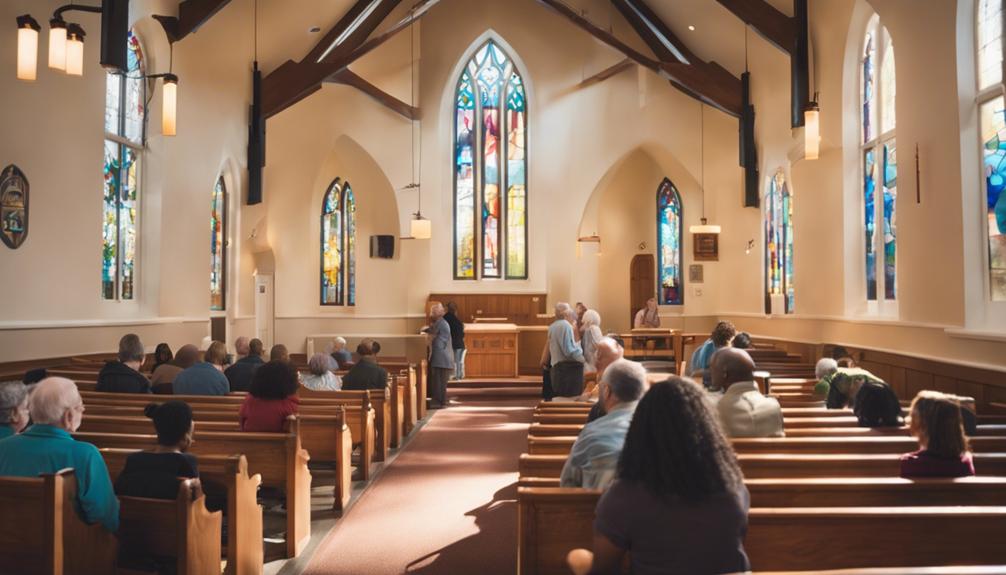
You can create a welcoming church environment in your local community by designing a space that fosters connection and community. Start by designing a sense of belonging, breaking down physical barriers, and creating comfortable gathering spaces. Effective use of natural light, incorporating multisensory elements, and fostering community engagement can also help. Make it easy for people to connect by designing your worship space intentionally. By doing so, you can create a vibrant and inclusive community that welcomes people from all walks of life. As you explore these ideas, you'll discover even more ways to build a thriving community that feels like home.
Designing a Sense of Belonging
Create a sense of belonging by intentionally designing your church's physical space to foster connections and community, making visitors feel like they've finally found their tribe. You want your church to feel like a warm hug, not a cold, impersonal space. To achieve this, start by thinking about the flow of your worship area. Consider creating a central gathering spot, like a coffee bar or community table, where people can connect before or after services. This will help break down barriers and encourage mingling.
Also, think about the seating arrangement. Instead of rows of individual chairs, consider using tables or circular seating to facilitate conversation. You can also incorporate cozy nooks or quiet areas for those who need a moment of solitude. Don't forget about the power of lighting – warm, soft lighting can create a sense of intimacy and comfort.
Breaking Down Physical Barriers
As you intentionally design your church's physical space to foster connections and community, consider how physical barriers might be hindering those connections and take steps to break them down. You might be surprised at how simple changes can make a big impact. For instance, are the aisles wide enough for people with mobility issues or parents with strollers? Are there clear pathways for people to navigate the space? Make sure there aren't any tripping hazards or obstacles that could prevent people from participating fully.
Another important consideration is accessibility. Are your doors wide enough for wheelchairs? Are there ramps or elevators for those who need them? What about Braille signage or audio descriptions for the visually impaired? Even small changes, like installing automatic door openers or widening doorways, can make a huge difference.
Don't forget about the importance of clear signage. Are your signs easy to read and understand? Are they placed in strategic locations to help people navigate the space? By breaking down physical barriers, you can create an environment where everyone feels welcome and included. It's amazing how these simple changes can help people feel seen and valued. By intentionally designing your space with accessibility in mind, you can create a sense of belonging for all who enter.
Creating Comfortable Gathering Spaces
You'll often find that people naturally congregate in areas that feel cozy and inviting, so it's essential to intentionally design your church's gathering spaces to foster a sense of comfort and community. By doing so, you'll create an environment where people feel at ease, allowing them to focus on building relationships and deepening their faith.
When designing these spaces, consider the seating arrangement. Instead of rows of chairs, opt for comfortable, movable seating that encourages conversation and connection. Add warm, inviting colors, and incorporate textiles like rugs, pillows, and throws to create a cozy atmosphere. Don't forget to include plenty of power outlets and USB ports to keep devices charged, making it easy for people to stay connected.
Pay attention to the acoustics and lighting in these areas as well. Soft background music and gentle lighting can help create a sense of calm, making it easier for people to relax and engage with one another. By thoughtfully designing your gathering spaces, you'll create an environment that feels welcoming and inclusive, allowing your congregation to build meaningful relationships and grow in their faith.
Effective Use of Natural Light
As you consider the ambiance of your church, don't underestimate the power of natural light to create a warm and inviting atmosphere. By strategically placing windows, you'll not only reduce the need for artificial lighting but also create a sense of connection to the outdoors. Now, let's explore how maximizing window placement, softening harsh shadows, and illuminating focal points can enhance the overall worship experience.
Maximizing Window Placement
By strategically placing windows, you can flood your church with natural light, creating a warm and inviting atmosphere that makes members and visitors feel comfortable and connected. This thoughtful design element can greatly impact the overall ambiance of your worship space. When planning window placement, consider the direction of the sun and the time of day your services are typically held. East- and west-facing windows are ideal for capturing gentle, morning and afternoon light, while south-facing windows receive direct sunlight. Avoid placing windows directly opposite the pulpit or altar, as harsh light can create distractions. Instead, position them to the side or rear of the sanctuary, allowing natural light to filter in softly. By doing so, you'll create a warm and welcoming environment that encourages connection and community.
Softening Harsh Shadows
Incorporating subtle shading devices, such as overhangs or louvers, can soften harsh shadows that natural light often casts, creating a more balanced and inviting atmosphere within your church. By doing so, you can create a sense of warmth and comfort, making your congregation feel more at ease. This is especially important in areas where people tend to gather, such as near the altar or in the foyer.
Here are some ideas to contemplate:
| Shading Device | Effect on Natural Light |
|---|---|
| Overhangs | Reduces direct sunlight, creating a softer glow |
| Louvers | Filters light, minimizing harsh shadows |
| Solar Screens | Blocks UV rays, reducing heat and glare |
| Awnings | Provides partial shade, creating a cozy atmosphere |
Illuminating Focal Points
When you strategically place natural light sources to highlight focal points within your church, such as the altar or pulpit, it creates an atmosphere of reverence and attention. By doing so, you can draw your congregation's focus to the most important aspects of your worship space. This thoughtful use of natural light can elevate the sense of community and spiritual connection among your members.
Here are some ways to effectively illuminate focal points in your church:
- Position skylights or clerestory windows above the altar or baptismal font to create a sense of divine presence.
- Use sheer curtains or shades to filter and soften direct sunlight, reducing glare and creating a warm ambiance.
- Install solar tubes or sun pipes to bring natural light into areas with limited window access.
- Angle windows to capture morning or afternoon sunlight, illuminating specific areas of your church.
- Consider installing a stained glass window or artwork that refracts and diffuses natural light, adding color and beauty to your worship space.
Incorporating Multisensory Elements
You can create a rich and immersive experience for your congregation by intentionally incorporating multiple sensory elements into your worship space. This thoughtful approach will help your attendees feel more engaged, comforted, and connected to your community. By appealing to multiple senses, you'll craft an atmosphere that's both inviting and inclusive.
Start by considering the visual elements. Use warm, calming colors on walls and furniture to create a sense of serenity. Add some greenery, like potted plants or a living wall, to bring in a touch of nature. Next, think about the auditory experience. Invest in a quality sound system to make certain that music and sermons are clear and crisp. You might also consider integrating calming background sounds, like soft instrumental music or gentle water features.
Don't forget about the power of scent. Pleasant aromas, such as lavender or vanilla, can promote relaxation and reduce anxiety. You can use essential oils or scented candles to achieve this effect. Finally, think about the tactile experience. Provide comfortable, cushioned seating and consider adding tactile elements, like soft blankets or fidget toys, to help attendees feel more at ease. By incorporating these multisensory elements, you'll create a welcoming environment that will make your congregation feel seen, heard, and valued.
Fostering a Sense of Community
As you work to foster a sense of community in your church, you’ll want to focus on building bridges with local organizations and partners. By doing so, you’ll not only strengthen your church’s presence in the community but also create opportunities for meaningful connections. Additionally, embracing diverse backgrounds and experiences within your congregation will help create an inclusive environment where everyone feels valued and heard. Furthermore, organizing collaborative events with local charities and schools can further enhance the ties between your church and the wider community, inviting participation from individuals who may not yet be part of your congregation. As people seek fulfillment and belonging, choosing a church in Los Angeles that prioritizes outreach and inclusivity may resonate deeply with those searching for spiritual growth and connection. Ultimately, fostering these relationships will not only elevate your church’s mission but also enrich the lives of those around you.
Building Bridges Locally
By intentionally partnering with local organizations and businesses, your church can become an integral part of the community fabric, fostering a sense of belonging among congregation members and neighbors alike. This partnership can lead to meaningful relationships, shared resources, and a stronger sense of community.
Here are some ways to build bridges locally:
- Host community events: Organize events like job fairs, health clinics, or food drives that cater to the needs of your local community.
- Collaborate with local schools: Partner with schools to provide tutoring, mentorship, or after-school programs that benefit local students.
- Support local charities: Partner with local charities, food banks, or non-profits to amplify their impact and serve those in need.
- Develop a community garden: Create a shared green space where community members can grow their own fruits and vegetables, promoting sustainability and community bonding.
- Foster interfaith dialogue: Organize interfaith discussions, prayer services, or community gatherings that bring people of different faith backgrounds together.
Embracing Diverse Backgrounds
Embracing diverse backgrounds within your church community can enrich worship experiences, foster a sense of belonging, and create opportunities for cross-cultural understanding and growth. By initiating this journey, you'll create a vibrant tapestry of perspectives, traditions, and experiences that reflect the beauty of God's diverse creation. You'll be surprised at how this diversity can revitalize your worship services, making them more dynamic and engaging.
As you work towards creating an inclusive environment, remember that it's not about assimilating everyone into a single mold, but about celebrating the unique strengths and contributions each individual brings. Encourage open dialogue, active listening, and empathy to build bridges between people from different walks of life. By doing so, you'll create a sense of belonging among your congregation, where everyone feels valued, heard, and seen. As you journey on this path, be patient, humble, and willing to learn from others. By embracing diverse backgrounds, you'll not only enrich your church community but also reflect the very nature of God's kingdom – diverse, yet unified in love.
Making It Easy to Connect
You can take the first step towards making your church feel like a community by ensuring that your worship space is arranged to facilitate meaningful interactions. This is essential in creating an environment where people can connect with one another. By intentionally designing your space, you can encourage conversations, foster friendships, and build a sense of belonging.
Here are some practical ways to make it easy for people to connect:
- Designate a connection corner: Create a designated area where people can mingle and chat before or after services.
- Use seating that sparks conversation: Arrange seating in a way that encourages people to face each other, making it easier to strike up conversations.
- Make information easily accessible: Display information about upcoming events, groups, and activities in a clear and concise manner, making it easy for people to get involved.
- Provide opportunities to serve together: Organize service projects or volunteer opportunities that bring people together while serving the community.
- Train your greeters to be connectors: Equip your greeters to be intentional about introducing people to one another, helping them feel welcome and included.
Frequently Asked Questions
How Can We Accommodate People With Disabilities in Our Church?
You're taking an important step by thinking about accessibility in your church. To accommodate people with disabilities, you'll want to assess your physical space, ensuring wheelchair ramps, accessible restrooms, and clear pathways. Train your volunteers to be disability-aware, and consider hiring an accessibility coordinator. You can also provide accommodations like sign language interpretation, audio descriptions, and Braille materials. By taking these steps, you'll create a more inclusive environment where everyone feels welcome.
What Is the Ideal Seating Capacity for Our Worship Space?
"As you envision your ideal worship space, remember that seating capacity is about more than just numbers – it's about nurturing a sense of community. What's the sweet spot that allows for intimacy without feeling cramped? Consider your average attendance, plus some wiggle room for growth. Aim for a capacity that fosters connection, around 75-100 people per section, with ample aisles for easy access. You're not just designing a space, you're crafting an experience."
Can We Use Technology to Facilitate Connections Among Members?
You're wondering if technology can help foster connections among your community members. The answer is a resounding yes! You can leverage digital tools to facilitate meaningful interactions. Create online groups or forums where members can discuss shared interests, ask questions, or share prayer requests. You can also use social media to share uplifting content, inspiring stories, or words of encouragement. By embracing technology, you'll create a sense of belonging and community that transcends physical boundaries.
How Do We Ensure Our Church Building Is Environmentally Sustainable?
'A million tiny changes can add up to make a massive impact on the environment! As you work towards making your church building more sustainable, start by conducting an energy audit to identify areas of improvement. You'll be surprised at how simple tweaks, like switching to LED bulbs or installing low-flow fixtures, can make a huge difference. By taking these steps, you're not only reducing your carbon footprint but also setting an inspiring example for your community to follow.'
What Are Some Creative Ways to Repurpose Our Existing Church Space?
You're looking to breathe new life into your existing church space! Consider transforming underutilized areas into functional zones. Turn a quiet corner into a cozy prayer nook or a bustling spot into a community café. Repurpose old pews into planters or a statement piece of art. You can also create a flexible multi-use space for events, workshops, or even a free community store. Get creative and watch your space become a vibrant hub of community activity!


